Quick answer
In short: Marine spare parts inventory should be managed in three tiers by consequence, not by price. Tier 1 — items whose failure stops the vessel or triggers a class condition — is held on board. Tier 2 — items needed within the next scheduled maintenance window — is held at a shore warehouse within delivery reach of the trade route. Tier 3 — everything else — is ordered on demand against a verified supplier lead time. The objective is to hold the parts that prevent downtime, and to hold nothing else.
The cost of holding versus the cost of not holding
Spare parts inventory is one of the few areas of vessel management where the cost of a wrong decision is asymmetric. Holding one extra turbocharger rotor ties up capital and occupies a storeroom shelf. Not holding the rotor that fails at sea produces an off-hire period measured in days, a deviation to a repair port, and in the worst case a towage.
That asymmetry is the whole basis of a spare parts policy. The objective is not to minimise inventory, and it is not to maximise it. It is to hold precisely those items whose absence would cost more than their carrying cost — and to hold nothing else, because every unnecessary item on the shelf is capital that could have funded something else.

A three-tier criticality model
The model below is what we recommend to operators running mixed fleets on fixed trade routes. It applies to main engine components, turbochargers, separators, pumps and deck machinery alike.
| Tier | Definition | Holding location | Examples |
|---|---|---|---|
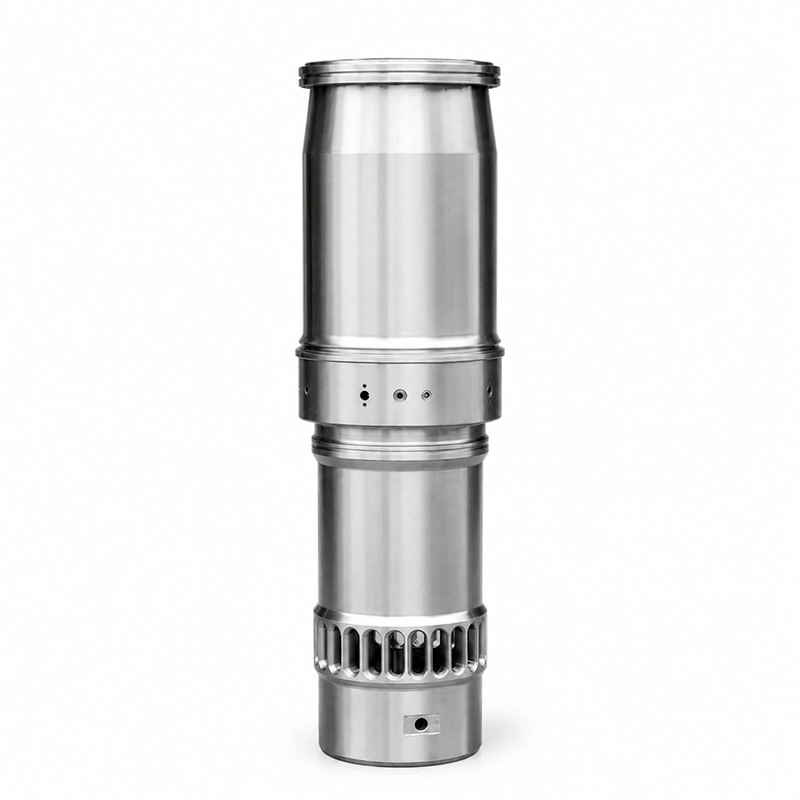
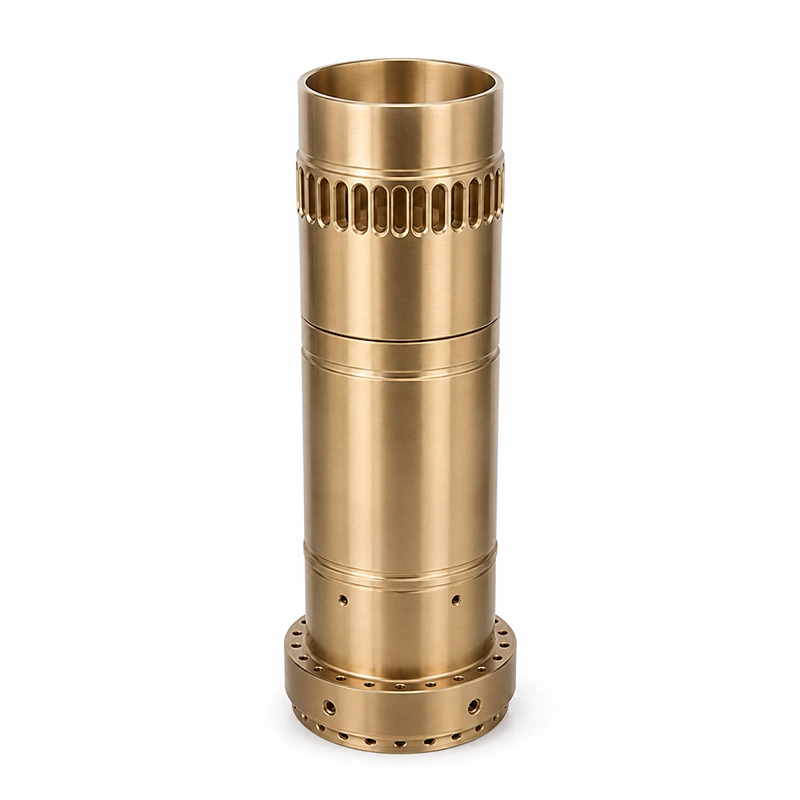
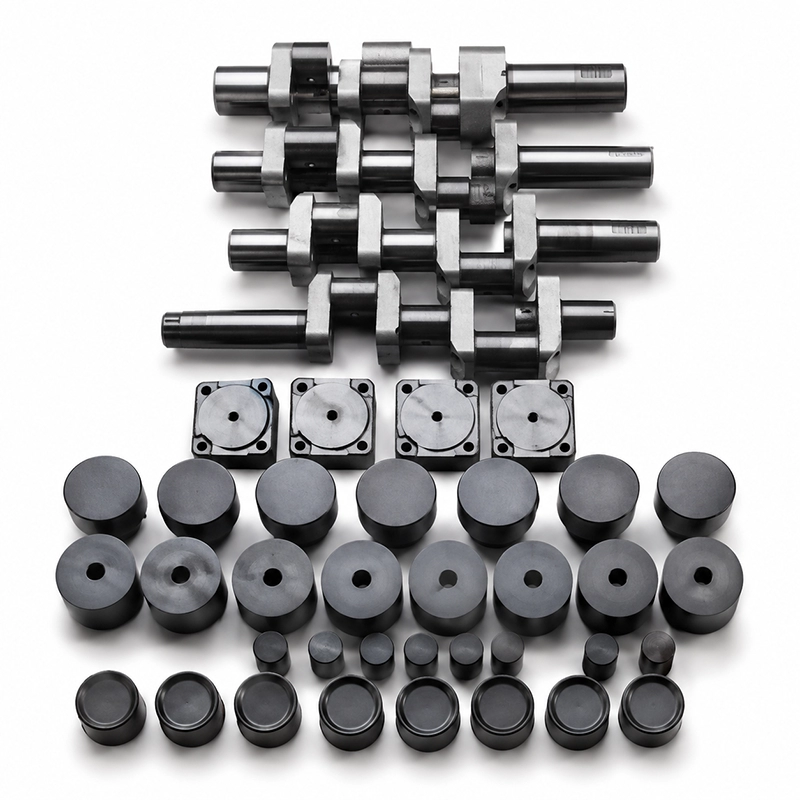
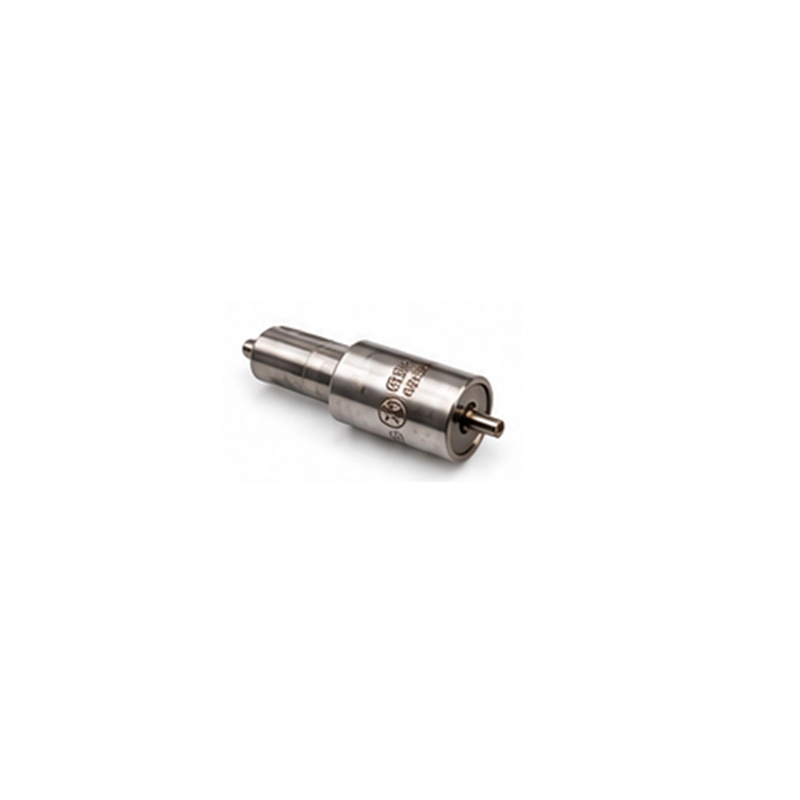
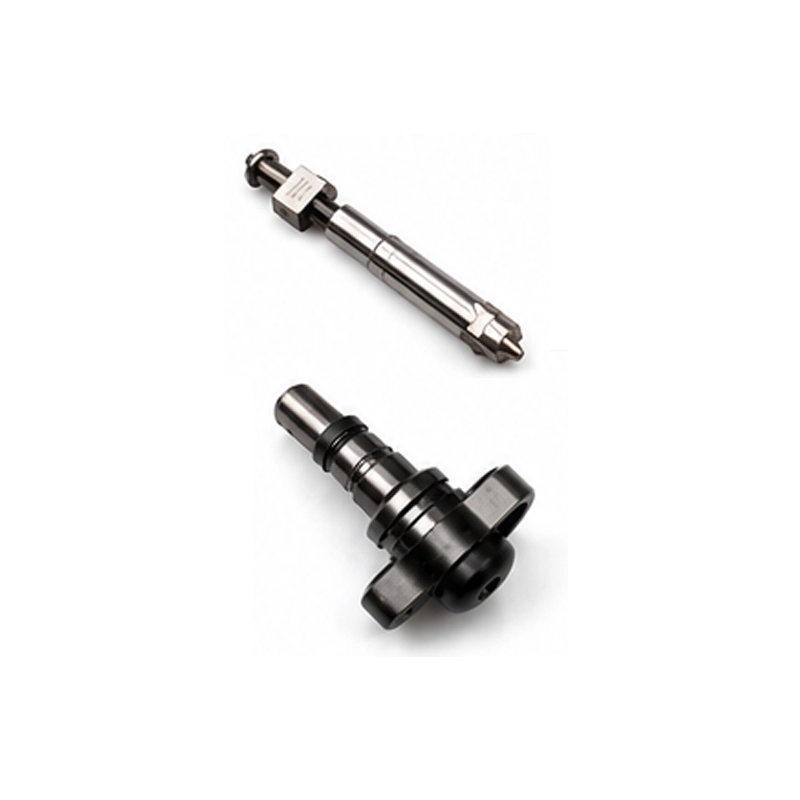
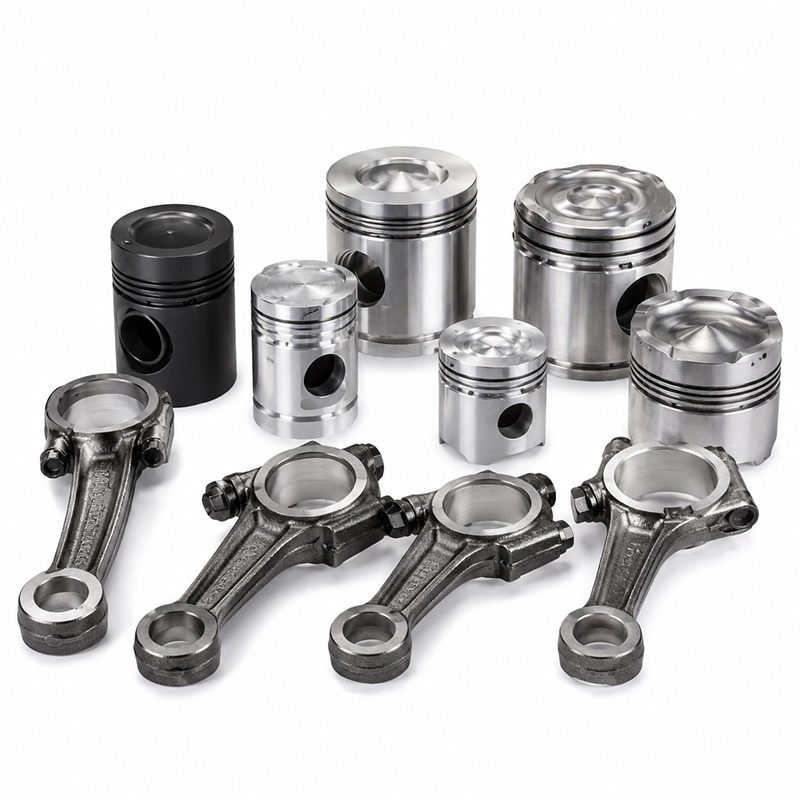
| Tier 1 — critical | Failure stops the vessel, causes loss of propulsion, or creates a class or MARPOL condition | On board, in the vessel's own bonded store | Cylinder unit components for the running gear, fuel injection plungers and delivery valves, turbocharger rotor and bearings, separator bowl parts, oily water treatment components |
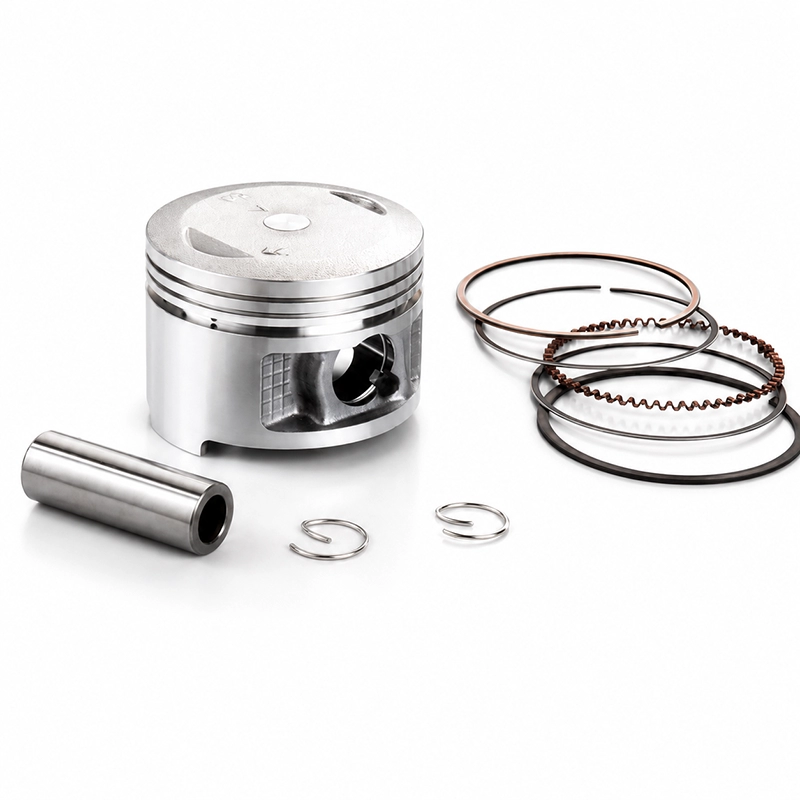
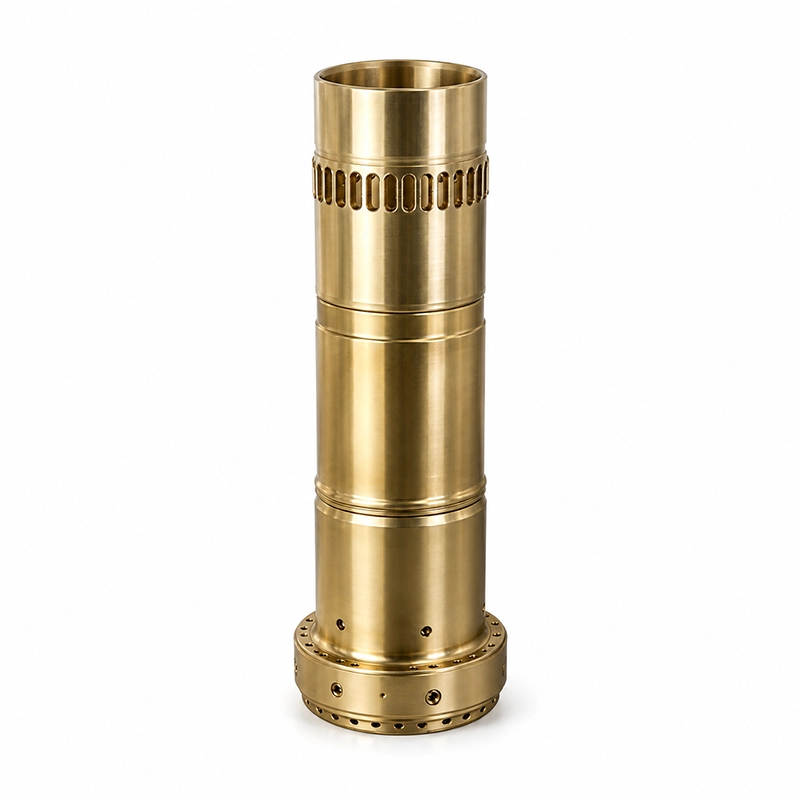
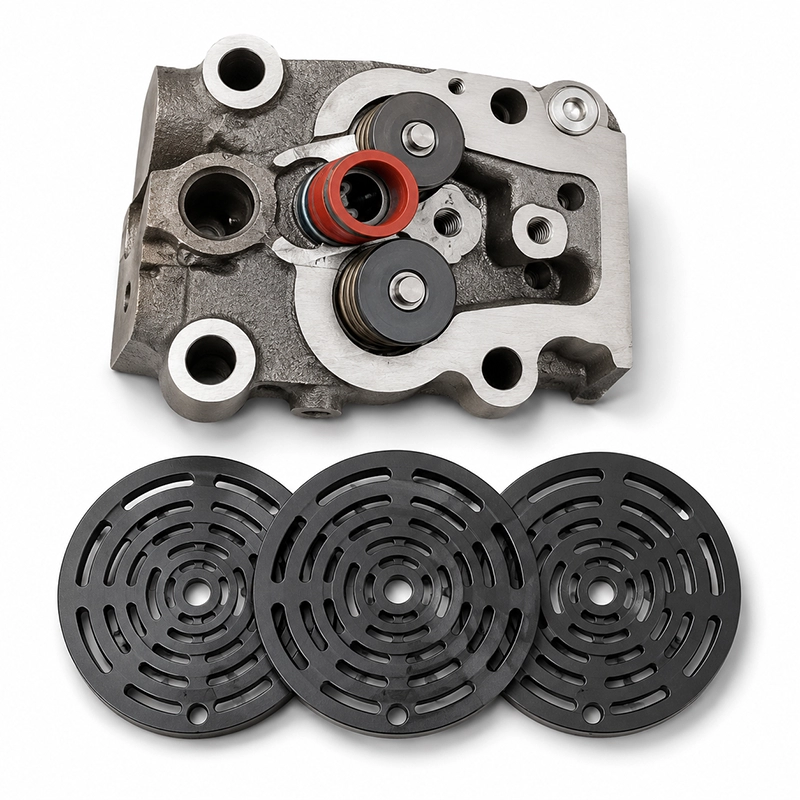
| Tier 2 — scheduled | Required within the next planned maintenance window, or within the next 3–6 months by wear projection | Shore warehouse on or near the trade route | Complete cylinder unit sets, piston and liner assemblies, pump and relief valve internals, valve sets |
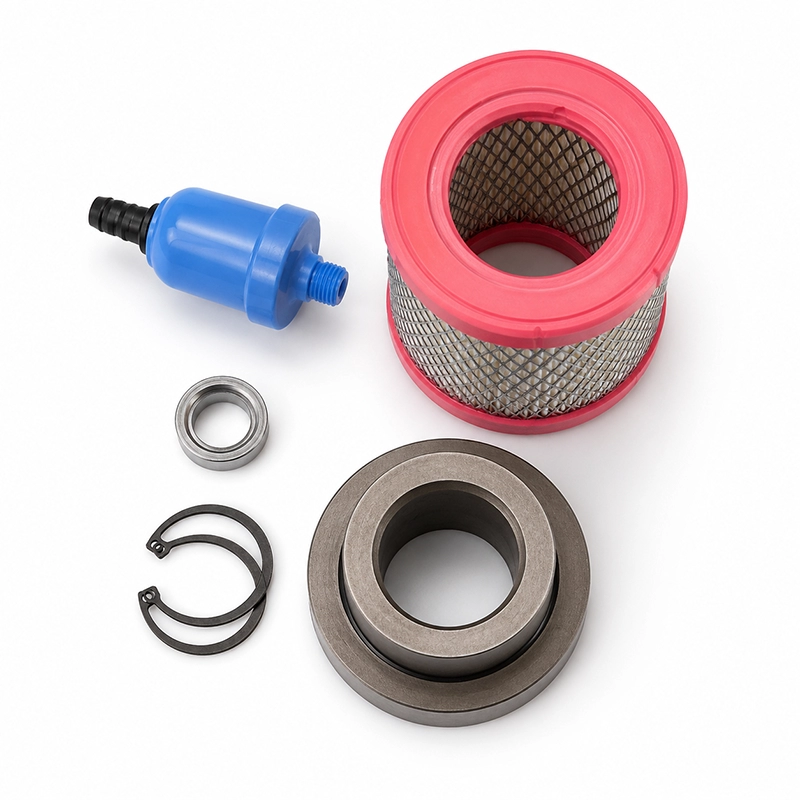
| Tier 3 — on demand | Long-life items with predictable consumption and reliable external lead time | Not held; ordered against schedule | Bearings with low wear rates, structural and piping components, non-critical fasteners and fittings |
The tiers are defined by consequence, not by unit price. A low-cost separator component that creates a MARPOL Annex I deficiency during a Port State Control inspection belongs in Tier 1 despite its price, because the consequence is an inspection failure rather than a repair bill. A high-cost structural component with a fifteen-year service life belongs in Tier 3 despite its price, because the probability of needing it inside the planning horizon is negligible.
How to classify an item into a tier
Four questions classify almost any item. Answer them for each component family rather than each part number — the classification is stable across a family, whereas part-level classification produces an unmanageable list.
- If this fails, does the vessel stop or lose propulsion? If yes, Tier 1 regardless of cost. This captures the running gear, fuel injection and turbocharger families.
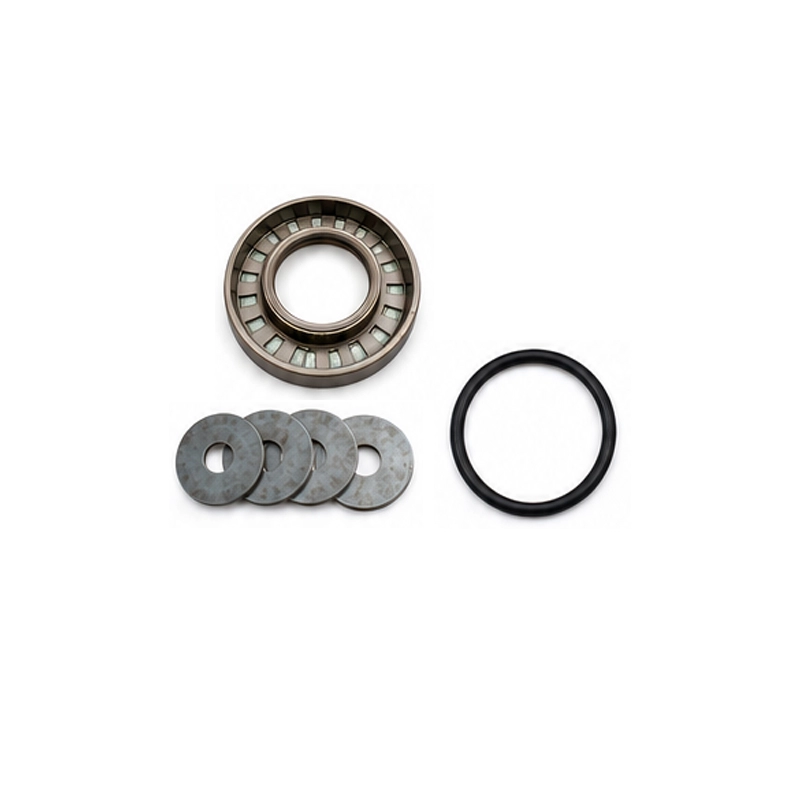
- Does its absence create a class, statutory or Port State Control condition? If yes, Tier 1. Separator and oily water treatment components fall here on MARPOL Annex I grounds, which is why we see sustained demand for bowl refurbishment and paring disc replacement.
- Will it be needed within the next planned maintenance window? If yes, Tier 2. This is where complete cylinder unit sets and pump internals sit — needed on a known schedule, but not needed at four hours' notice.
- Has consumption been predictable over the last three years, with a supplier lead time shorter than the scheduling horizon? If yes, Tier 3. Order on demand and stop carrying it.
Lead time is the variable that decides everything
The four questions above classify by consequence, but the tier decision is only final once lead time is known. Two operators with identical engine series and identical trade routes can justify different inventory levels purely because their suppliers differ in stock position.
This is where a supplier's own inventory matters to your policy. A supplier holding genuine parts from Japan, Korea and Europe in a physically verifiable stock can support a Tier 3 decision — order on demand — because the lead time is short. A supplier who must factory-order the same part converts it into Tier 2 by necessity, because the lead time now exceeds the maintenance window.
| Supplier position | Effective lead time for a Tier 3 candidate | Effect on your inventory policy |
|---|---|---|
| Holds physical stock of the part | Same day to a few days | Tier 3 justified — reduce holding |
| Holds stock of the component family, not the exact variant | Days to a few weeks | Tier 2 for the variant, Tier 3 for the family |
| Licensed-manufacturer production to order | Weeks to months | Tier 2 — plan against the maintenance window |
| Factory order from the original builder | Longest | Tier 1 for critical applications — hold on board |
When you assess a supplier, ask specifically what they hold physically rather than what they can obtain. The distinction determines whether your Tier 3 list can actually stay at Tier 3.
Where a shore warehouse changes the equation
For operators on a fixed trade route, a shore warehouse close to the route effectively adds capacity to Tier 2 without the vessel carrying the weight. Two conditions make this work: the warehouse must hold the specific variants the fleet uses, and delivery to the vessel must be achievable within the window between schedule changes.
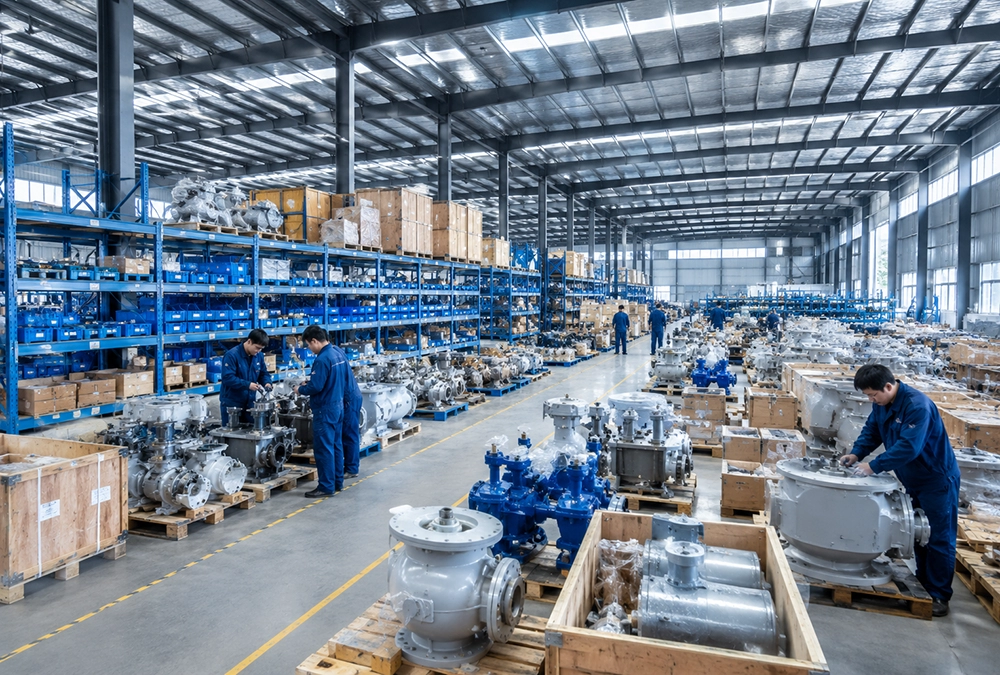
This is why consignment and stock-holding arrangements have become more common than vessel-only inventories. A supplier who maintains a warehouse with licensed-manufacturer production for the MAN S35MC to S90ME and WINGD RT-FLEX ranges, plus original and compatible parts from domestic works, can serve several vessels from one stock position. The operator reduces onboard holding; the supplier accepts the carrying cost in exchange for a defined supply relationship.
Where the subsidiary also provides repair services, the combination shortens dry-docking programmes considerably — parts and labour are planned together rather than sequentially. Combining mechanical repairs with electrical system upgrades under a single planning team has been shown to cut turnaround by around 15%.
Reviewing the model each dry-docking
The model is not static. Consumption patterns shift as engines age, trade routes change, and regulations move items between tiers — emission compliance has already moved fuel system components toward Tier 1 for many operators. Review the classification at each dry-docking, using three inputs:
- Consumption over the period since the last review. Any Tier 3 item consumed twice without schedule warning belongs in Tier 2.
- Lead time performance. Any supplier whose actual lead time exceeded the quoted figure moves the items it supplies up a tier until the discrepancy is resolved.
- Regulatory change. New inspection requirements move components into Tier 1 regardless of their failure probability, because the consequence is now a detention risk.
We supply genuine marine diesel engine spare parts and equipment with over thirty years of experience across main engine components, turbochargers, separators and valves, covering MAN B&W and Wartsila series together with the leading Chinese manufacturers, and we hold genuine parts from Japan, Korea and Europe alongside original and compatible domestic production. If you would like help classifying a vessel's component families or confirming what we hold physically, send us the engine series and trade route and our engineers will respond.
Frequently asked questions
Should critical spares be held on board or ashore?
On board, if their failure would stop the vessel, cause loss of propulsion, or create a class or MARPOL condition. The cost of carrying them is far lower than the cost of an off-hire period. Items needed within the next scheduled maintenance window belong ashore, on or near the trade route.
Is it cheaper to hold more spares or fewer?
Neither extreme is correct. Holding too little risks off-hire measured in days, which dwarfs any carrying cost; holding too much ties up capital in items whose probability of use within the planning horizon is negligible. The objective is to hold exactly those items whose absence costs more than their carrying cost.
How does supplier lead time affect inventory policy?
Directly. A supplier holding physical stock lets a low-criticality item stay on an order-on-demand basis, because lead time is short. The same item sourced from a supplier who must factory-order it moves up a tier by necessity, because the lead time now exceeds the maintenance window. Always ask suppliers what they hold physically, not what they can obtain.
Which components most often change tier because of regulation?
Fuel system components and oily water treatment equipment. Emission compliance has moved fuel injection components toward critical status for many operators, and MARPOL Annex I inspection requirements mean separator and oily water components can create a Port State Control condition despite modest unit cost.
How often should a spare parts inventory model be reviewed?
At each dry-docking. Review consumption since the last review, check actual against quoted supplier lead times, and reassess for regulatory change. Any Tier 3 item consumed twice without schedule warning should be promoted to Tier 2.