Quick answer
In short: Marine diesel engine spare parts are supplied in four tiers — genuine (engine-builder branded), licensed-original (produced under licence by the engine builder's authorised works), compatible or OEM-equivalent (produced to the same drawing by an independent factory), and reconditioned. Match the tier to the application: genuine or licensed-original for main engine running gear and fuel injection, compatible for auxiliaries and deck machinery, and reconditioned only where a documented inspection and warranty path exists.
Why the tier matters more than the price
When a vessel is alongside and the main engine is due for a top overhaul, the purchasing decision looks simple: find the part, get three quotes, take the fastest delivery. In practice the quoted price difference between two suppliers of the same part number frequently reaches 40–60%, and that gap is almost never explained by margin alone. It reflects the supply tier — where the part was made, under whose licence, and with what traceability.
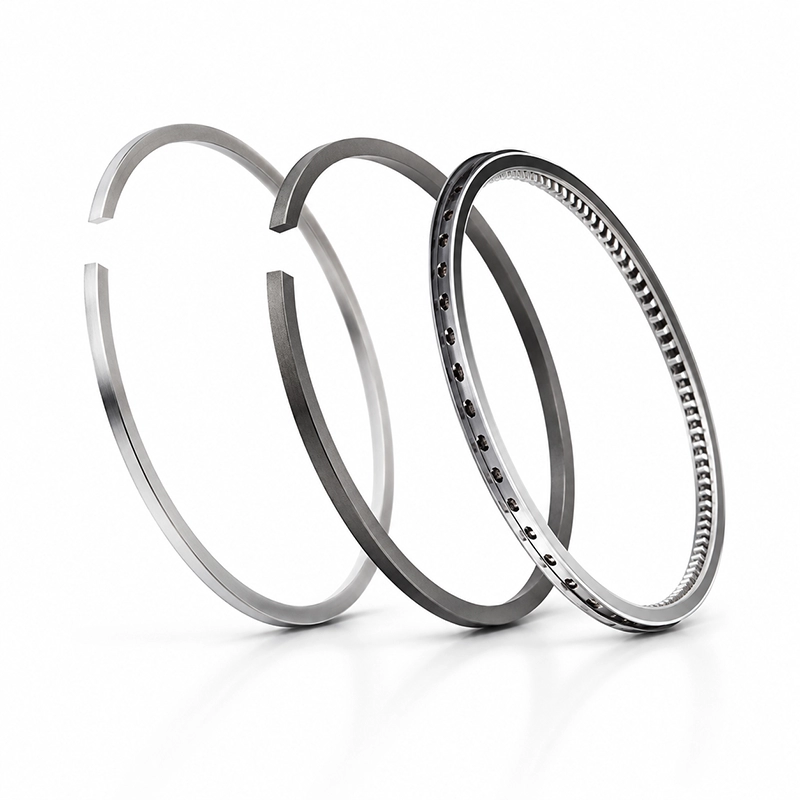
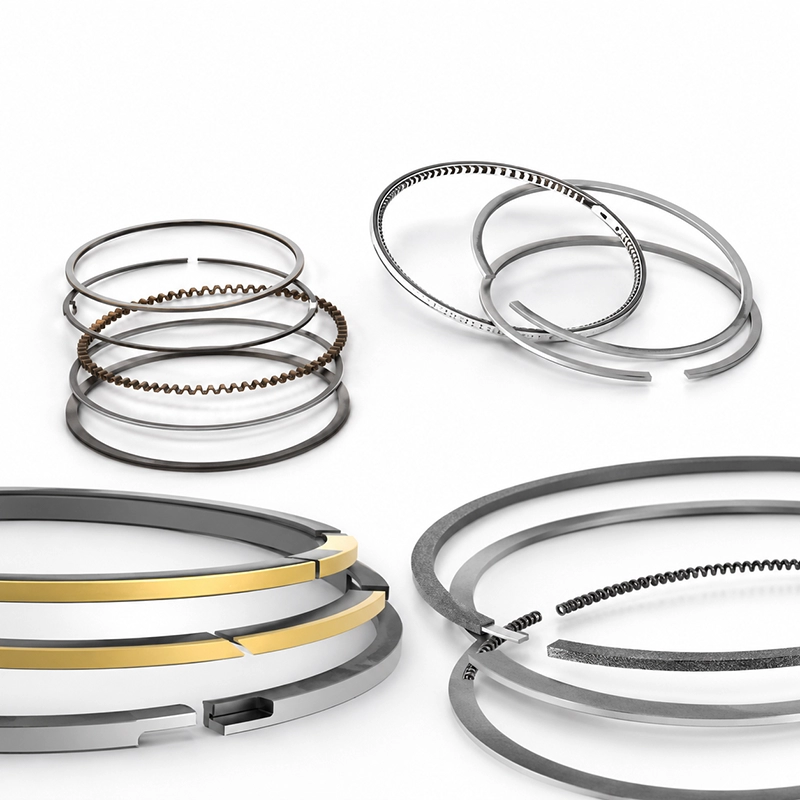
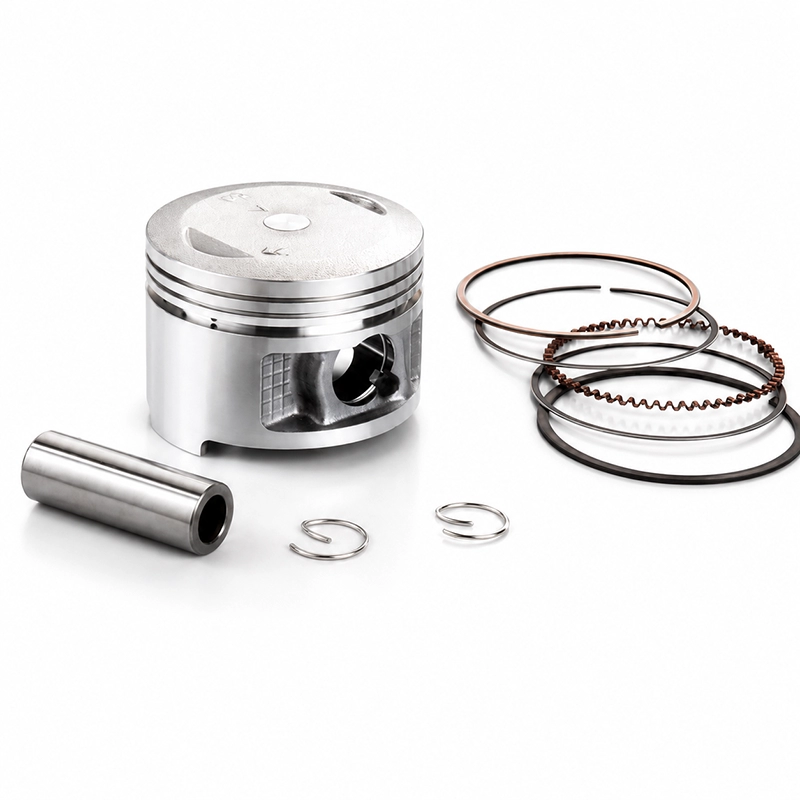
The distinction has real operational consequences. A piston ring set that measures correctly on the bench but uses a different base material will change its radial pressure as it beds in, and the first symptom is not a failure but a gradual rise in lube oil consumption across a voyage. By the time the trend is visible, the decision to fit it is several thousand nautical miles in the past.
This guide sets out a framework that we have used across more than thirty years of supplying main engine components, turbochargers, separators and valves to operators running MAN B&W, Wartsila and Japanese-built machinery, alongside a substantial inventory of genuine parts sourced from Japan, Korea and Europe.
The four supply tiers, compared
The table below sets out how the tiers differ in practice. The columns that matter most are traceability and warranty, because those are what you actually have to rely on if something goes wrong three months after fitting.
| Tier | Who makes it | Traceability | Typical lead time | Best suited to |
|---|---|---|---|---|
| Genuine | The engine builder or its designated plant | Full — builder's part number, batch, packing list | Longest; may require factory order | Main engine running gear, fuel injection, warranty-critical units |
| Licensed original | A works licensed by the builder (e.g. HHM / CSSC-MES, YMD, DMD, ZJMD type works) | Full — licence number and series coverage | Medium to long | The same applications, where the licence covers the series |
| Compatible / OEM-equivalent | An independent factory producing to the same drawing | Partially — depends on the supplier's QC records | Short to medium | Auxiliary engines, deck machinery, pumps, valves, separators |
| Reconditioned | A repair works reworking an existing unit | Depends entirely on the inspection report | Short | Non-class items, older vessels, where a documented inspection exists |
Our own sourcing position spans all four tiers. Where a client needs genuine parts from Japan, Korea or Europe we supply from stock; where the vessel is trading on an older hull and the operator is managing a repair budget, we supply compatible or original domestic-factory parts to the same drawing. What we do not do is describe one tier as another.
What each tier is actually suitable for
The most expensive mistake in spare parts sourcing is not overpaying — it is applying a tier decision uniformly across a whole engine. Different systems tolerate different tiers.
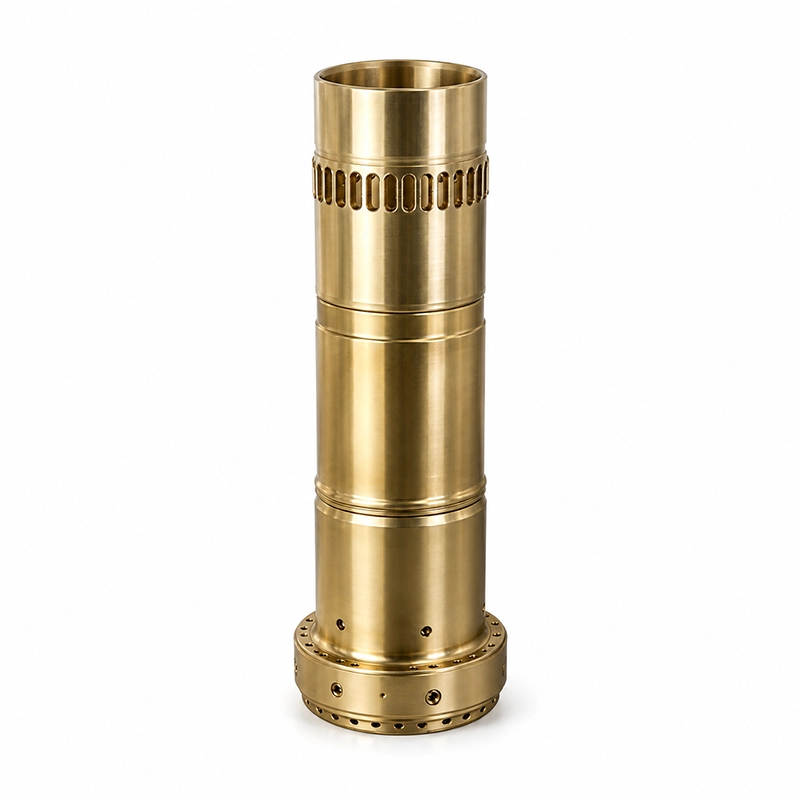
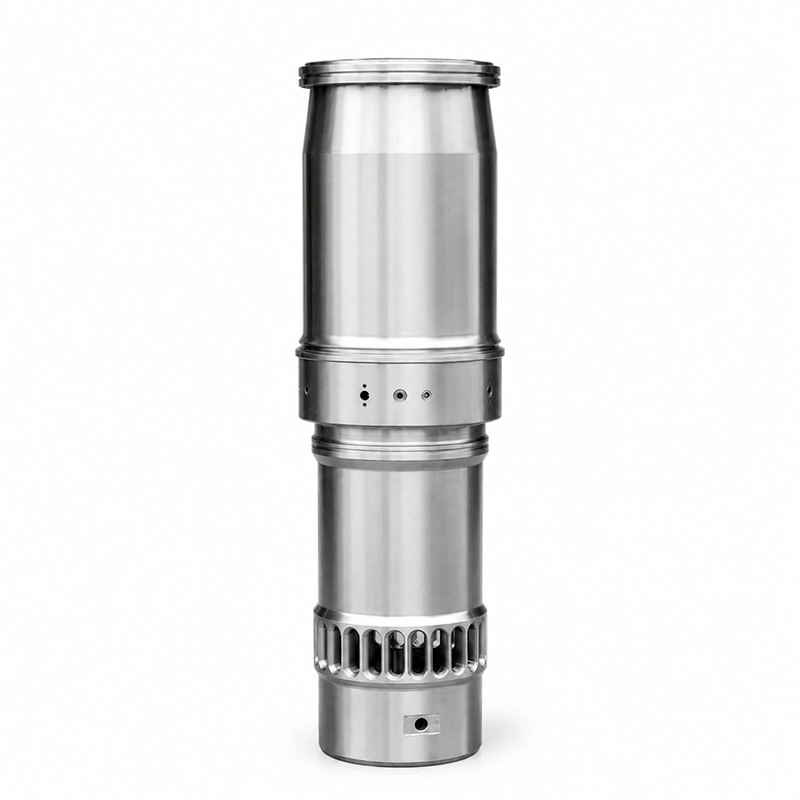
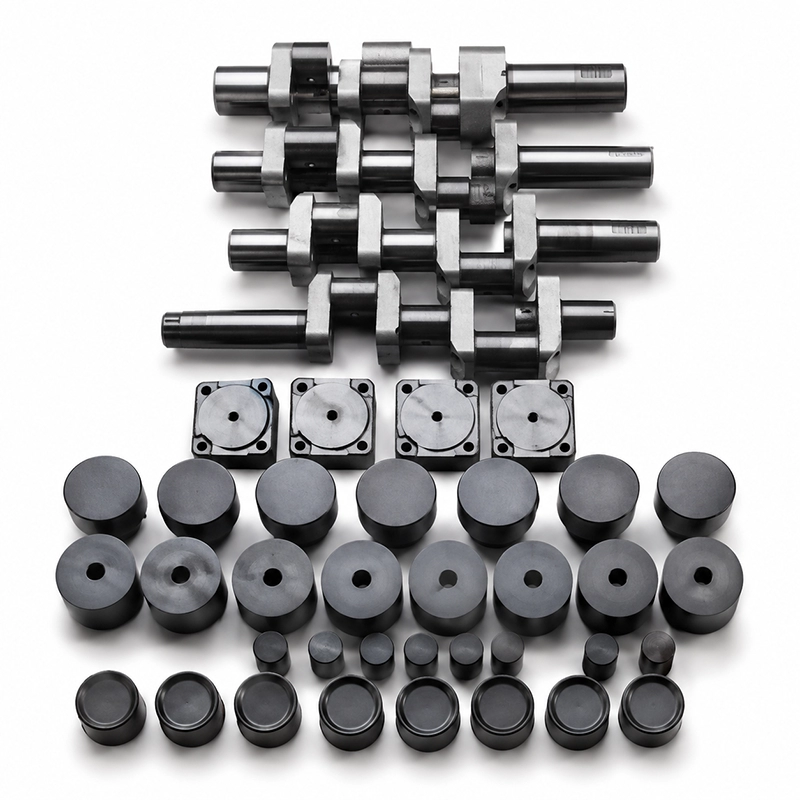
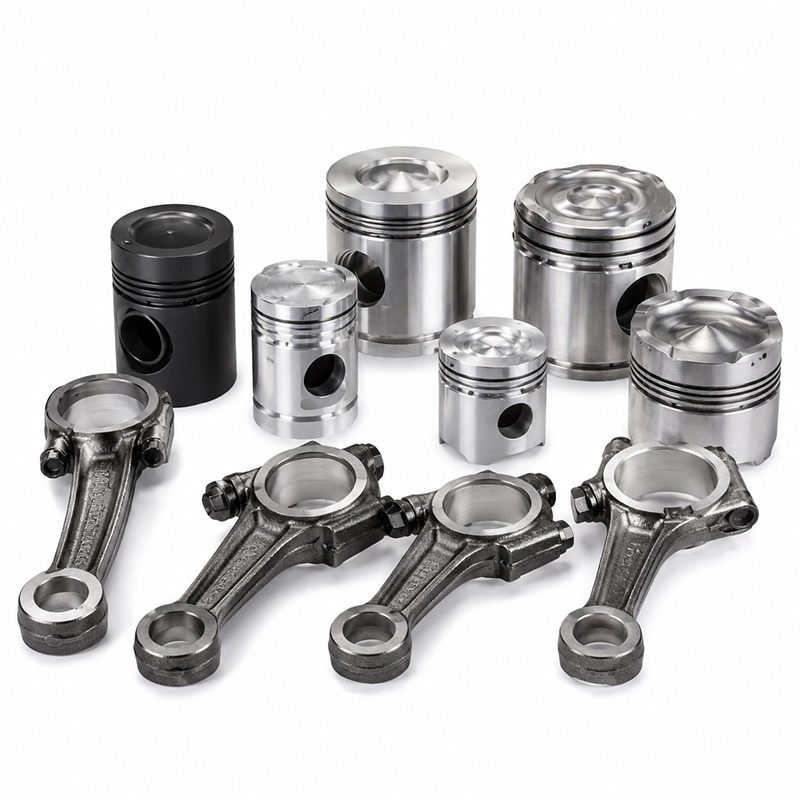
- Main engine running gear — pistons, rings, cylinder liners, bearings, connecting rods. Use genuine or licensed-original. These parts carry the engine's combustion load and their failure mode is a cylinder unit removal, not a replacement. The licensed-manufacturer works we work with cover the MAN S35MC to S90ME ranges and the WINGD RT-FLEX 48, 50 and 58 series under licence.
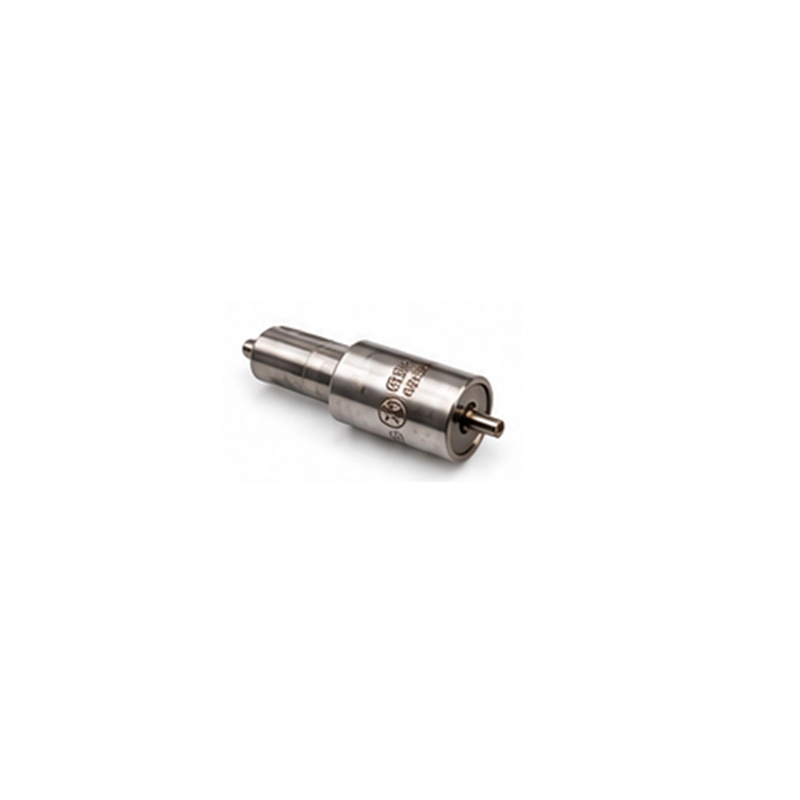
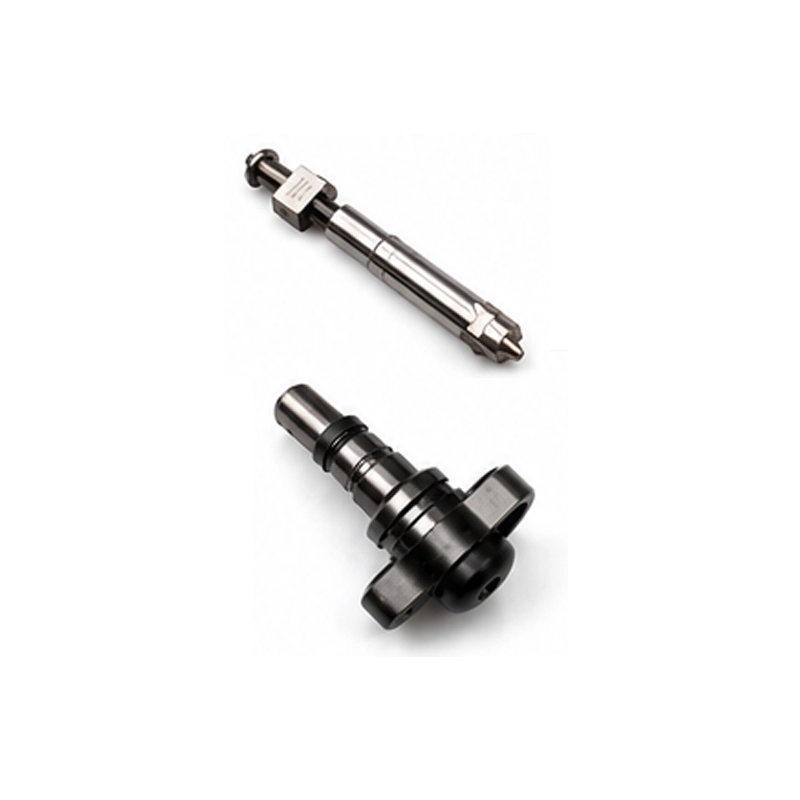
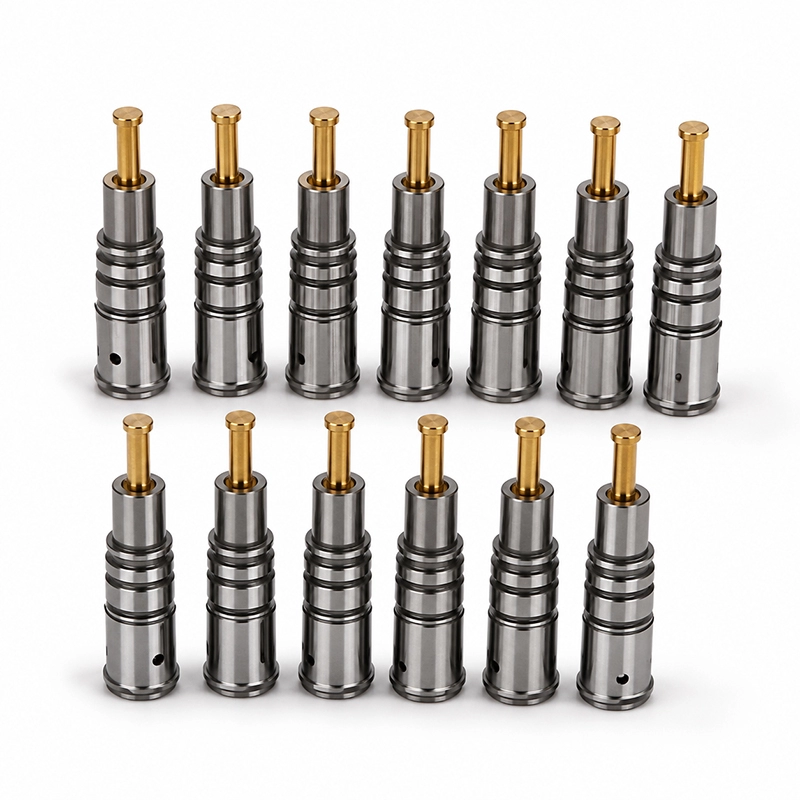
- Fuel injection system — plungers, delivery valves, injector nozzles. Use genuine or a supplier who can demonstrate calibration equipment. Emission compliance now places these components under direct scrutiny, and a compatible plunger with a slightly different clearance will alter injection timing in a way that shows up in exhaust readings rather than in the engine room.
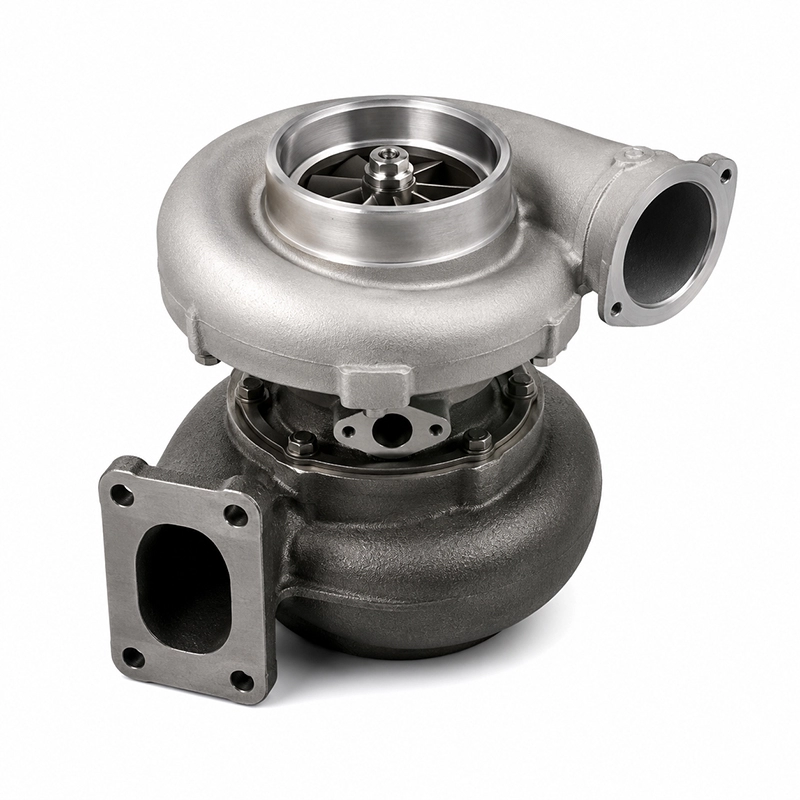
- Turbochargers and their internals. Rotor and bearing assemblies should be reconditioned or genuine, with balancing evidence. We supply turbocharger spares for ABB and Napier models alongside rotor balancing and bearing upgrade programmes.
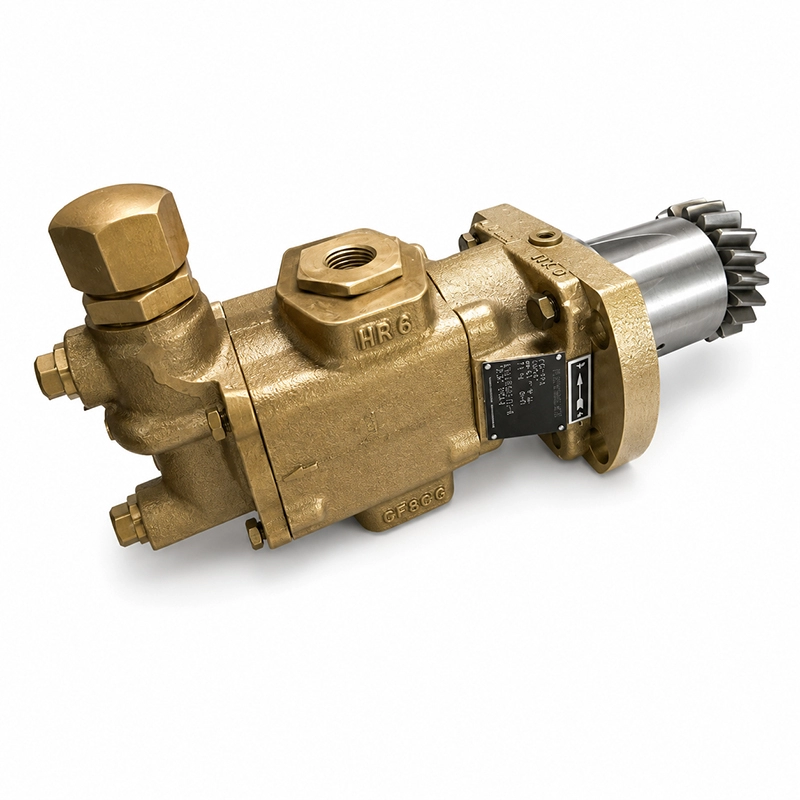
- Separators, oily water treatment and pumps. Compatible parts are entirely reasonable here. Bowl refurbishment and paring disc replacement are routine maintenance items, and the performance tolerances are far wider than for running gear.
- Deck machinery, valves and piping. Compatible or original domestic parts, provided the pressure rating and material grade are documented.
- Auxiliary engines on older tonnage. Surplus and low-hour genuine units are a legitimate option, subject to independent inspection.
How to verify a tier before you order
Five checks separate a supplier who genuinely holds a tier from one who is using the word loosely. They take about twenty minutes.
- Ask for the licence number, not the licence claim. A licensed manufacturer can tell you which series its licence covers. "We are authorised" is not a licence. The relevant works cover specific MAN series ranges — S35MCC to 90MCC, S35ME to S90ME — and will state them.
- Request the packing list before payment. Genuine parts arrive with the builder's documentation. If the supplier cannot show you packing documentation in advance, the tier is unverified.
- Cross-check the part number against the engine's delivery book. The correct part for a given hull may differ from the generic series listing because of a builder's modification. We check the delivery book before quoting.
- Ask what happens if the part does not fit. A supplier holding inventory will state a return or replacement term. A trader will change the subject.
- Visit or request a stock photograph. Our inventory of genuine Japanese, Korean and European parts is held physically; a genuine stock-holding supplier can photograph the actual shelf.
Documentation that should accompany every shipment
Whatever the tier, a complete shipment should carry the following. Treat any missing item as a question to raise before the vessel sails.
| Document | Why it matters |
|---|---|
| Package list with part numbers and quantities | Confirms what was shipped against what was ordered; the basis of any claim |
| Part number and engine series reference | Allows the chief engineer to verify against the delivery book on arrival |
| Material or grade certificate where applicable | Needed for running gear, pressure parts and class-relevant items |
| Inspection or balancing report for reconditioned items | The only evidence that a reconditioned rotor or bowl is fit for service |
| Warranty terms | Defines the remedy if a part fails within the interval |
A practical specification checklist
Before releasing a purchase order for marine engine spare parts, confirm each line:
- Engine make, series and hull-specific modification noted
- Part number verified against the delivery book, not only the series listing
- Supply tier stated explicitly on the order, not implied by price
- Traceability documents named in the order
- Delivery port and required date stated, with the vessel's schedule attached
- Return or replacement term agreed in writing
We hold genuine parts from Japan, Korea and Europe alongside original and compatible parts from our own domestic works, and our subsidiary Yuejun Ship Repair Engineering Department can combine part supply with the repair itself — which shortens the dry-docking programme considerably. Send us the engine series, part number or a photograph of the component and our engineers will confirm the correct tier and availability.
Frequently asked questions
Is a compatible part always lower quality than a genuine part?
Not always — it depends on whether the independent factory is working to the original drawing with documented material and dimensional control. The difference is in traceability rather than necessarily in metallurgy. For auxiliaries and deck machinery a well-documented compatible part is a reasonable choice; for main engine running gear we recommend genuine or licensed-original.
What is a licensed original part?
A part made by a works that holds a manufacturing licence from the engine builder for a specific engine series. It is not a copy — it is produced under the builder's technical control for defined series such as MAN S35MCC to 90MCC or S35ME to S90ME. It carries the licence reference, which is what distinguishes it from a compatible part.
Can you supply parts for MAN B&W, Wartsila, Yanmar and Daihatsu engines?
Yes. Our coverage includes main and auxiliary engine spare parts for MAN B&W and Wartsila series as well as Japanese propulsion series including the Yanmar N18, EY18, N21, EY22, EY26 and N330 families and the Daihatsu M200, M220, S165, S185, N260, N280, DK-20, DKM-28, DC-17, DE-18, DE-23, DL16, DL20, DL22, DK26 and DK36 families.
How do I know the part will fit my engine?
Verify the part number against the vessel's delivery book rather than the generic series listing, because builder modifications mean two hulls of the same series can take different components. Send us the engine series, the delivery book entry or a photograph and our engineers will confirm the match before shipping.
Do you supply reconditioned equipment?
We supply reconditioned and surplus equipment where it is appropriate to the application and carries a documented inspection. Certified inspection before resale is standard practice for surplus diesel engine units, and it is what makes cost savings of 40–60% against new alternatives defensible for offshore support vessels and older tonnage.